

Kumaş bakımı · 3 min read
Which fabrics shrink in the dryer? How to prevent it
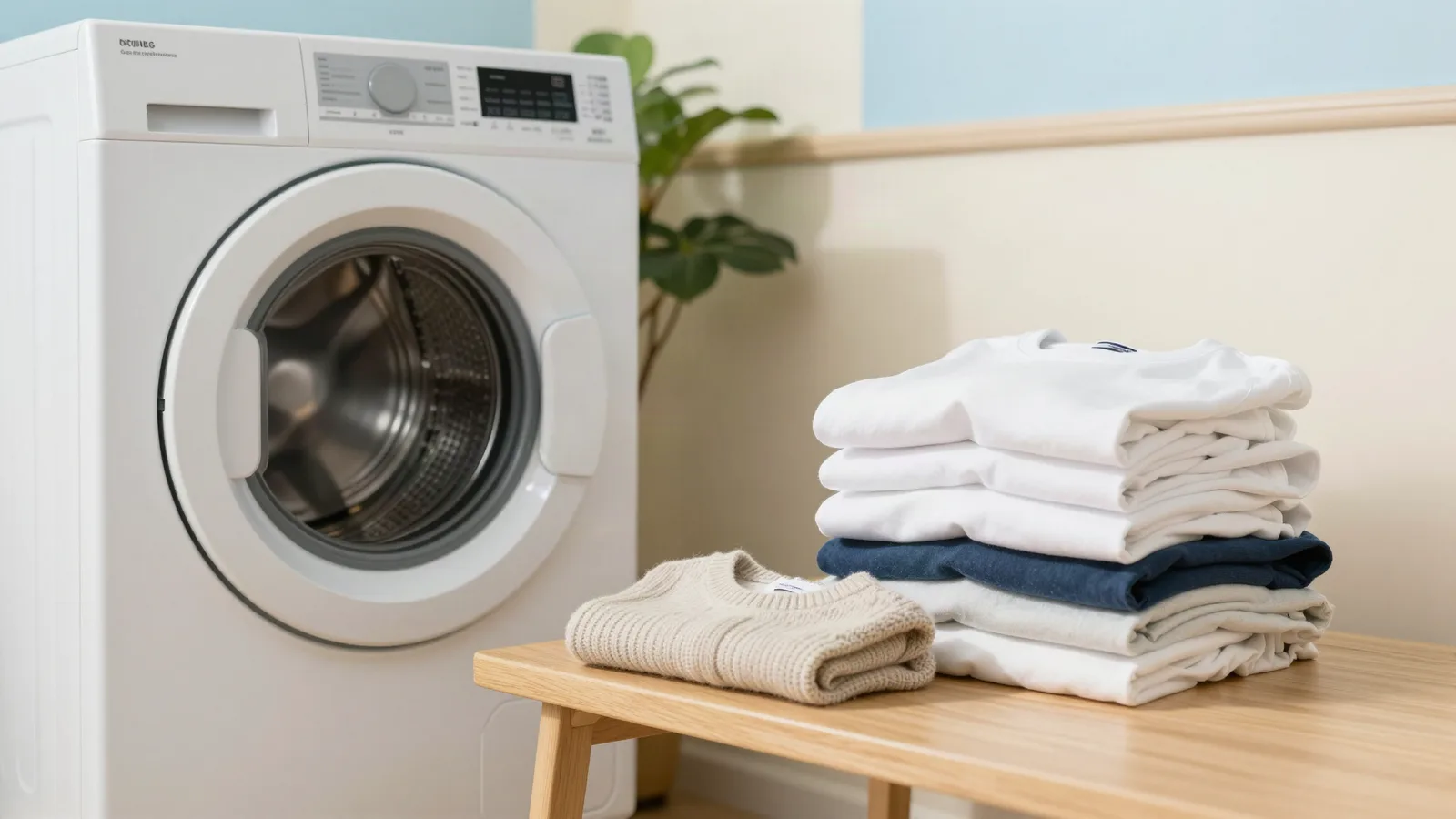
Cotton, wool, linen, synthetics: which fabrics shrink in a tumble dryer and which dry safely? Why shrinking happens and how to prevent it.
Kumaş bakımı
By Laundry Cafe · 27 September 2026 · 3 min read
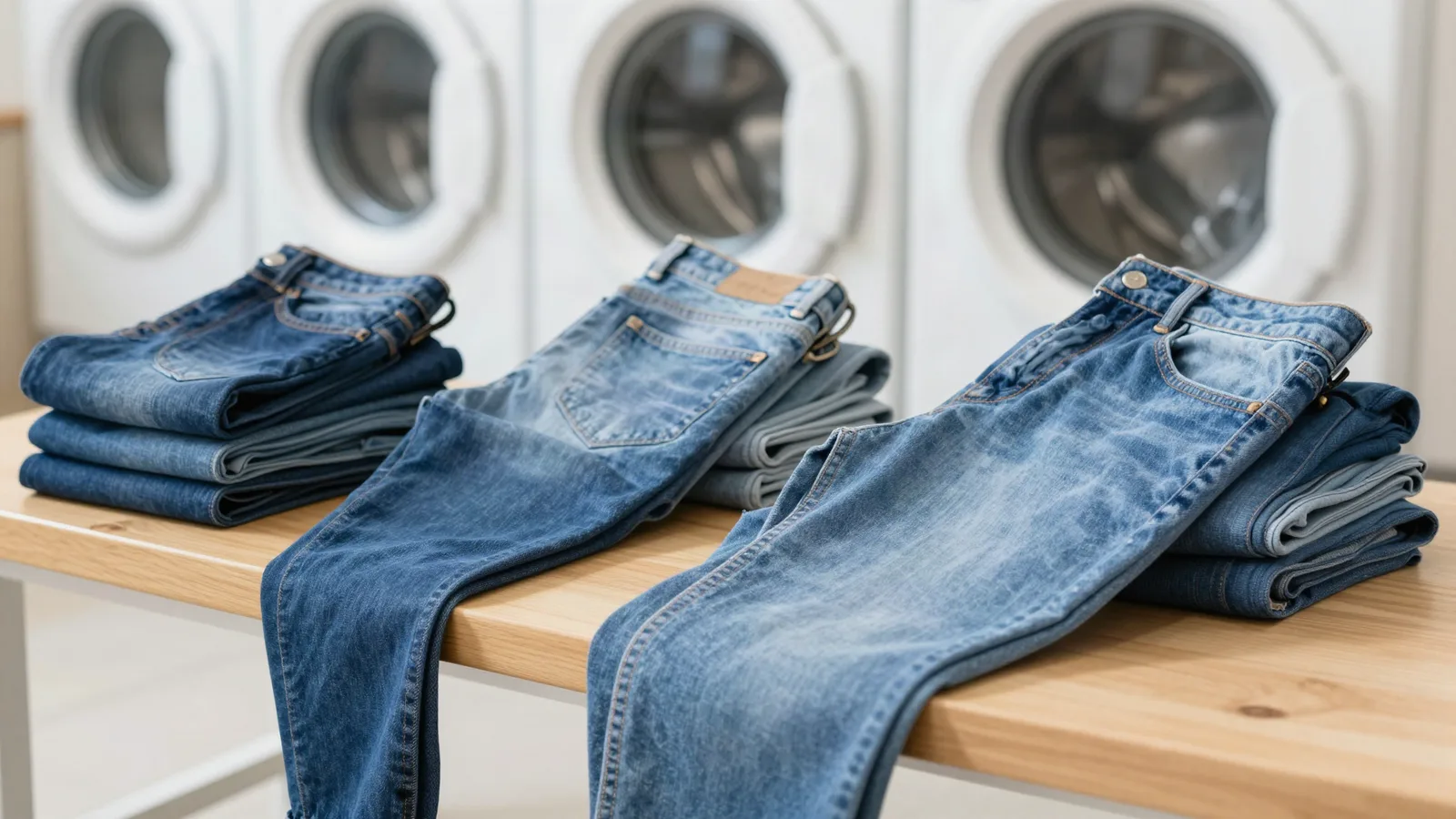
Jeans are among the most-worn yet least correctly washed items in our wardrobes. Some people wash them hot after every wear and watch them fade within months; others boast about never washing them at all. The right answer lies somewhere in between. Once you understand denim, you can keep your jeans both clean and long-lasting.
Denim is usually dyed with indigo. Indigo sits on the surface of the cotton fibres rather than soaking fully into them, so a little dye is lost with every wash and every bit of friction. That's why jeans fade over time. Hot water, harsh detergent and a high spin speed all speed up the loss.
Because denim is mostly cotton, it can shrink in hot water and in a dryer on high heat. Stretch jeans with elastane lose their stretch at high temperatures.
You don't need to wash jeans after every wear. A general guideline for everyday wear is every few wears, or when they're stained, sweaty or smell. Airing jeans in between and wiping small marks with a damp cloth reduces the need to wash.
Wearing new dark jeans a few times before their first wash helps them mould to your body, but that first wash needs care.
There are two ways to dry jeans:
Be especially careful with heat on stretch jeans.
If new jeans have stained white or light laundry, rewash the affected item in cold water straight away, before drying, and soak it in oxygen bleach if needed. More in our colour run guide.
Light and white jeans pick up stains more easily but don't have the dye-loss problem. Wash them with whites or light colours at 30–40°C. To prevent white denim from yellowing, don't let sweat and stains sit before washing.
Wash your jeans in a separate machine with other darks, and choose a short drying round with fewer tokens. That way your jeans won't shrink, and taking them out slightly damp means fewer creases. Current prices are on the Prices page, and machine guidance is on the Services page.
Wash jeans when they need it, not after every wear. Turning them inside out, washing cold with a colour detergent on a low spin, and drying in the shade or on low heat protects both colour and fit.
Not after every wear; for everyday use, every few wears, or when they're stained or smell.
Wash them inside out in cold water with a colour detergent on a low spin, and dry them in the shade.
They can on high heat. If the label allows, dry briefly on low heat and take them out slightly damp.
The machines are ready. So is the coffee.
Kumaş bakımı · 3 min read
Cotton, wool, linen, synthetics: which fabrics shrink in a tumble dryer and which dry safely? Why shrinking happens and how to prevent it.
Kumaş bakımı · 3 min read
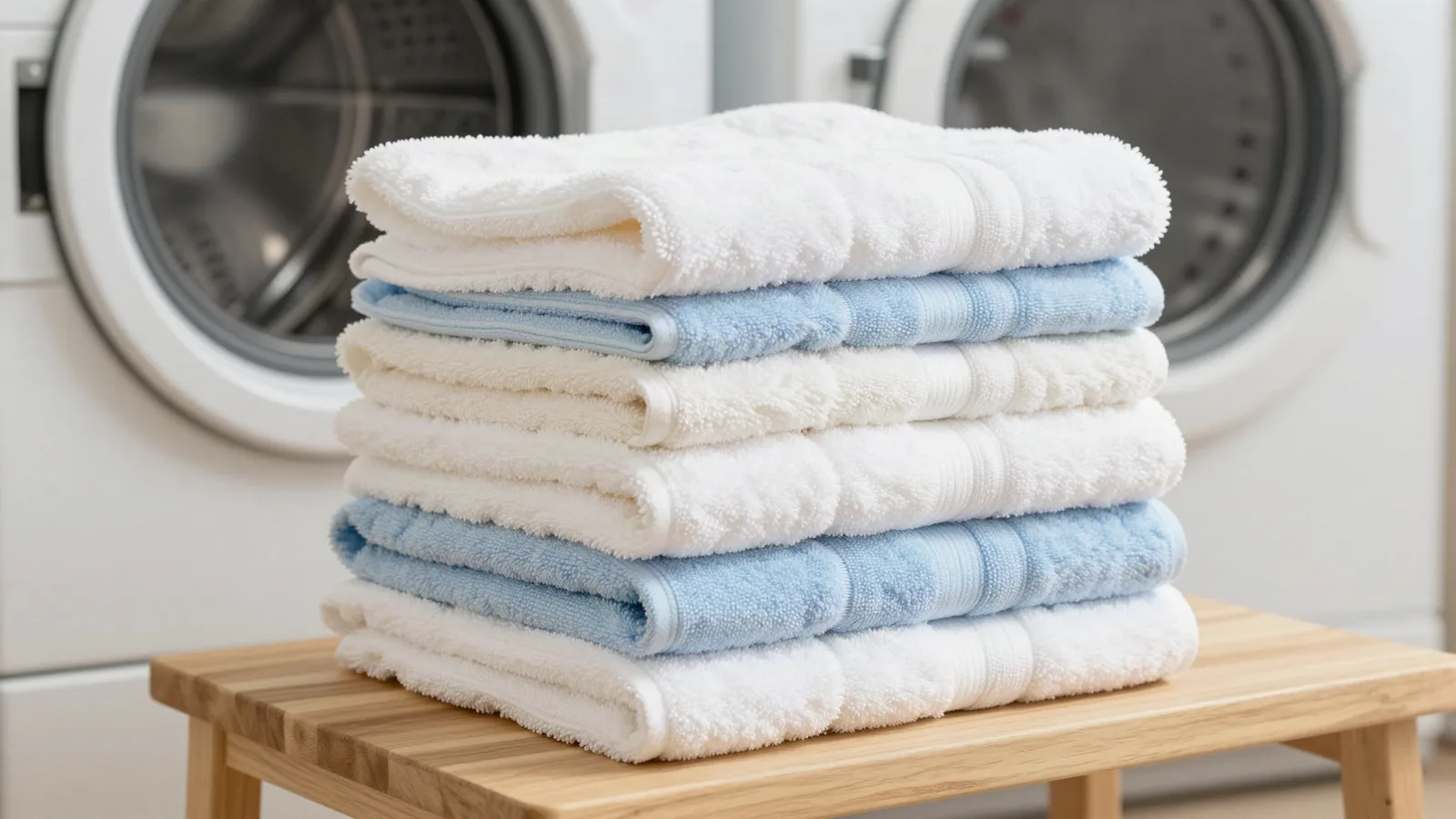
Why does a new towel turn stiff and stop absorbing water after a few washes? The causes, and practical ways to keep towels as soft as hotel towels.
Kumaş bakımı · 4 min read
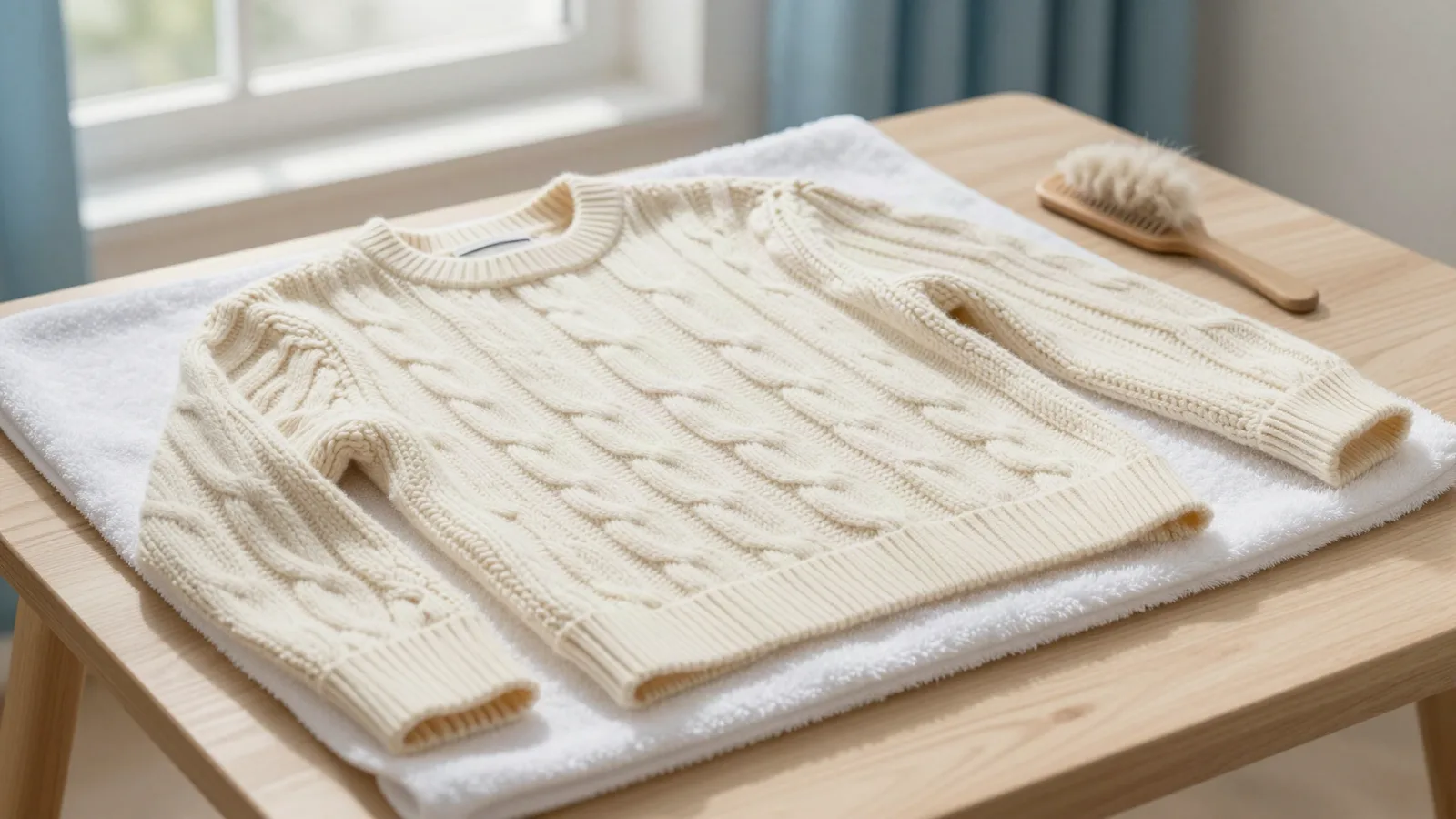
Can a wool jumper go in the washing machine, and why does it shrink and felt? A step-by-step way to wash and dry wool and cashmere without losing the shape.