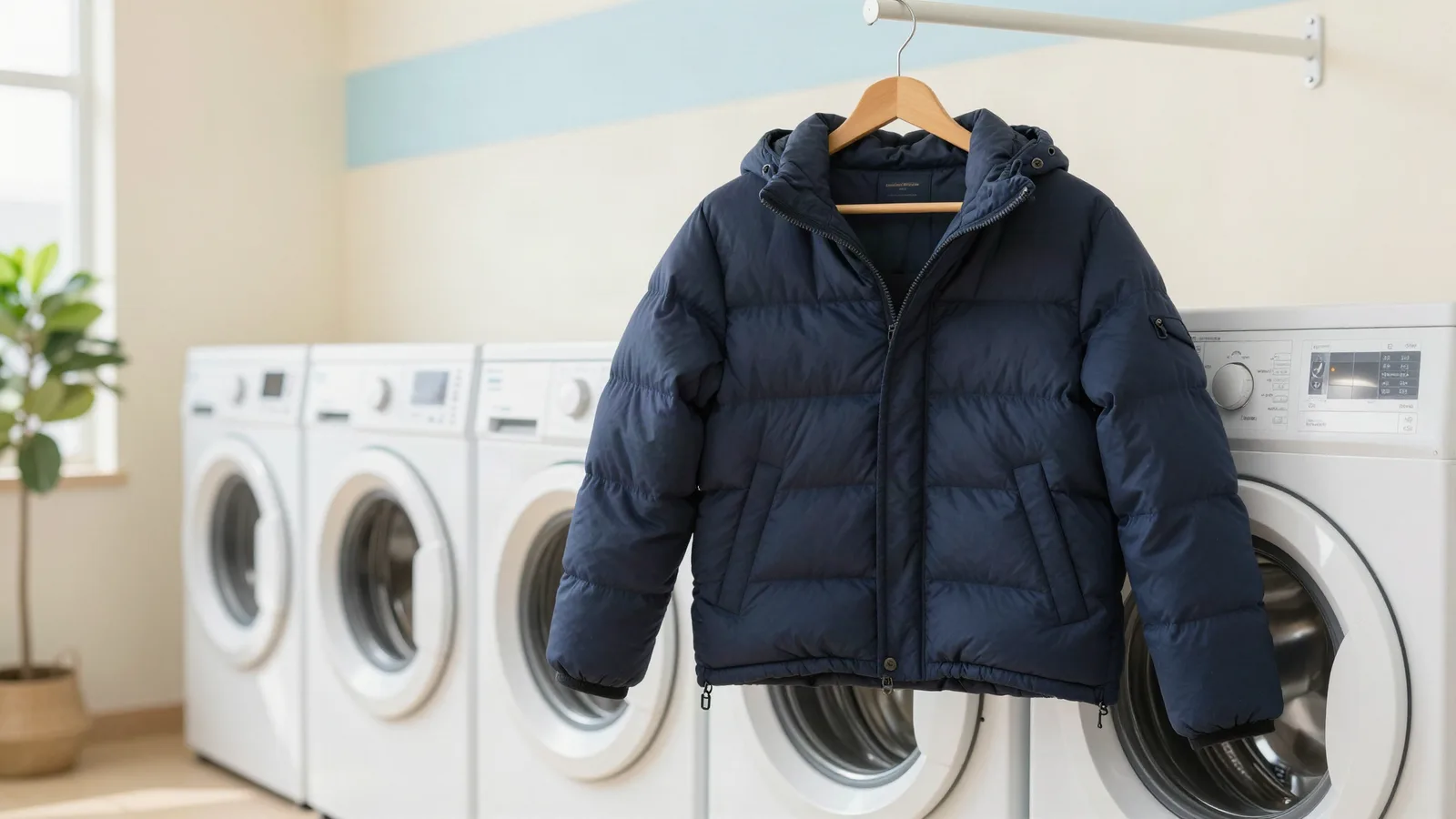
Anyone who lives in Izmir knows it: in summer, laundry hung on the balcony dries in an hour or two, but on rainy winter days the same laundry sits on the rack for days. And it doesn't just stay damp; it picks up that familiar musty smell. The cause isn't only the cold; the real factor is humidity. Once you know how to dry laundry in humid weather, you can say goodbye to this small but annoying winter problem.
Why won't laundry dry?
Drying means water in the fabric evaporating into the air. The drier the air, the faster it takes up water. When humidity is high, the air is already close to saturated and struggles to absorb more. Cold slows evaporation too. On a rainy, cool winter day, both come together and laundry just won't dry.
The effect is even stronger in flats by the sea and in ground-floor homes that get little sun.
Where does the musty smell come from?
In laundry that stays damp for a long time, invisible microorganisms start to multiply. That familiar sour smell comes from the substances they produce. Once a musty smell forms, it stays after the laundry dries and returns whenever the garment warms up or gets damp. So the real goal is to dry laundry as quickly as possible.
The problem with drying at home
- Drying indoors: water from the laundry goes into the room's air, raising humidity. That slows drying and can lead to mould on walls and around windows.
- Drying on radiators: it seems fast, but it stiffens fabric, shrinks some items and still raises humidity.
- Drying on an enclosed balcony: without airflow, laundry struggles to dry.
Drying faster in humid weather
- Increase the spin speed. The highest spin the label allows removes most of the water in the machine. This one step noticeably shortens drying time.
- Hang laundry straight away. Wet laundry left in the machine starts to smell before it's even hung.
- Space it out. Hang clothes so they don't touch, with room for air to circulate.
- Ventilate. Opening the window of the drying room for short periods lets humid air escape.
- Separate thick and thin fabrics. Towels and jeans take longer; give them the airiest spot.
- Place the rack near a window, but not touching cold glass.
The surest solution: a tumble dryer
The surest way to get laundry truly dry and odour-free in humid weather is a tumble dryer. It works regardless of the humidity outside: your laundry dries completely in under an hour whether the air is damp or dry. Laundry that tumbles as it dries is also softer; towels fluff up and creases are reduced.
For many people without a dryer at home, or short on space, a laundromat is the most practical answer in winter.
Rescuing laundry that smells musty
If the smell has already formed, you'll need to wash again:
- Soak the laundry in cold water with a cup of white vinegar for half an hour.
- Rewash at the highest temperature the label allows.
- This time, dry it completely in a tumble dryer without waiting.
Wardrobe care in winter
- Never put away laundry that isn't completely dry.
- A moisture absorber inside the wardrobe stops clothes picking up a musty smell in winter.
- Leave wardrobe doors open now and then to air them.
Common mistakes
- Leaving laundry in the machine for hours.
- Overcrowding the drying rack.
- Folding and putting away laundry that's "almost dry".
- Trying to mask a musty smell with softener or perfume.
Drying at Laundry Cafe
At our shop in Buca, you set drying time with the number of tokens. On a rainy winter day, you can take home a load that would take days to dry at home, dry and folded within an hour. Current drying times and prices are on the Prices page.