

Rehber · 3 min read
Can you machine wash a puffer jacket? A step-by-step guide
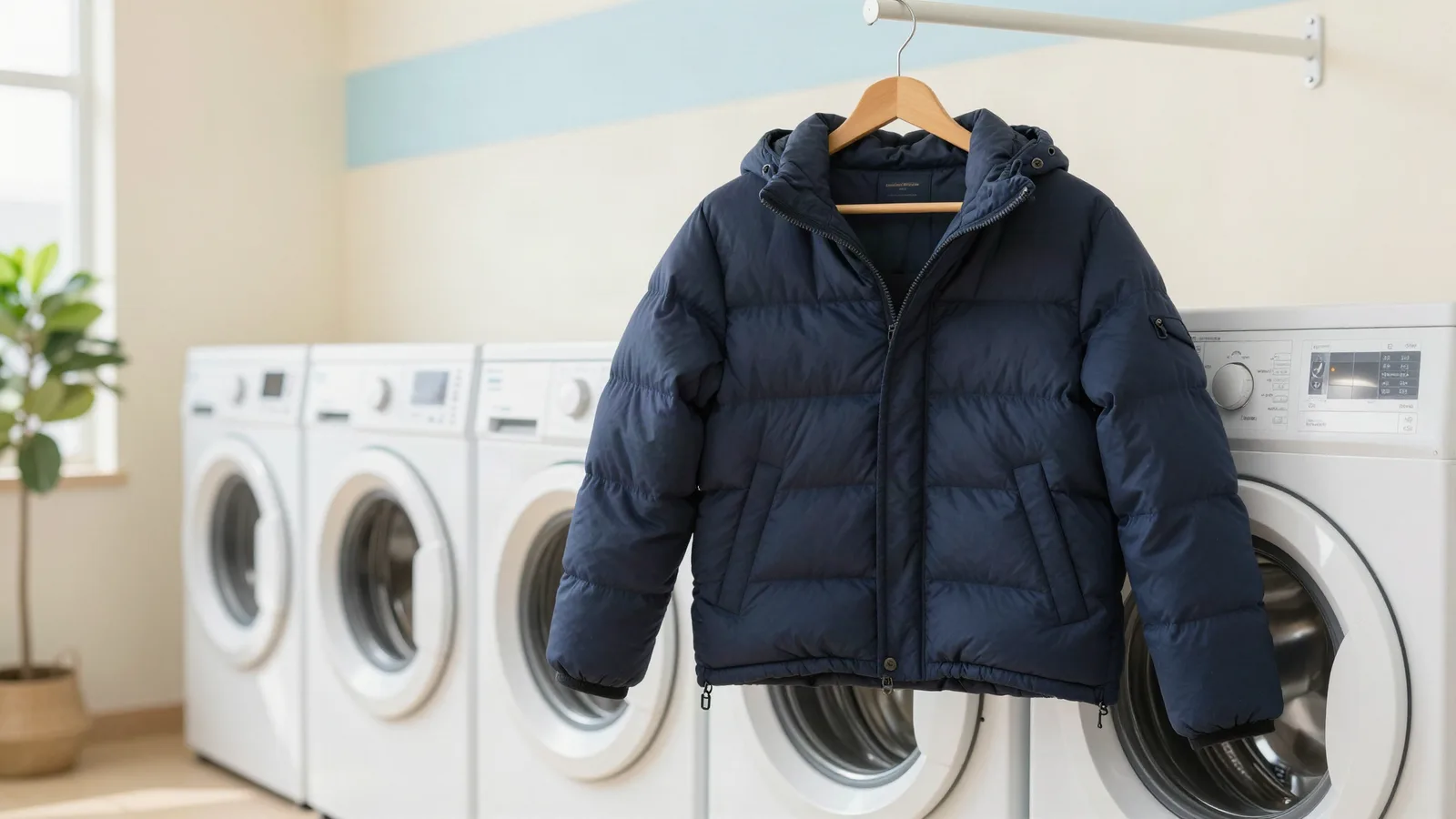
Can puffer jackets, down coats and winter jackets go in the washing machine? How to wash your jacket without losing its loft, from label to drying.
Rehber
By Laundry Cafe · 27 September 2026 · 3 min read
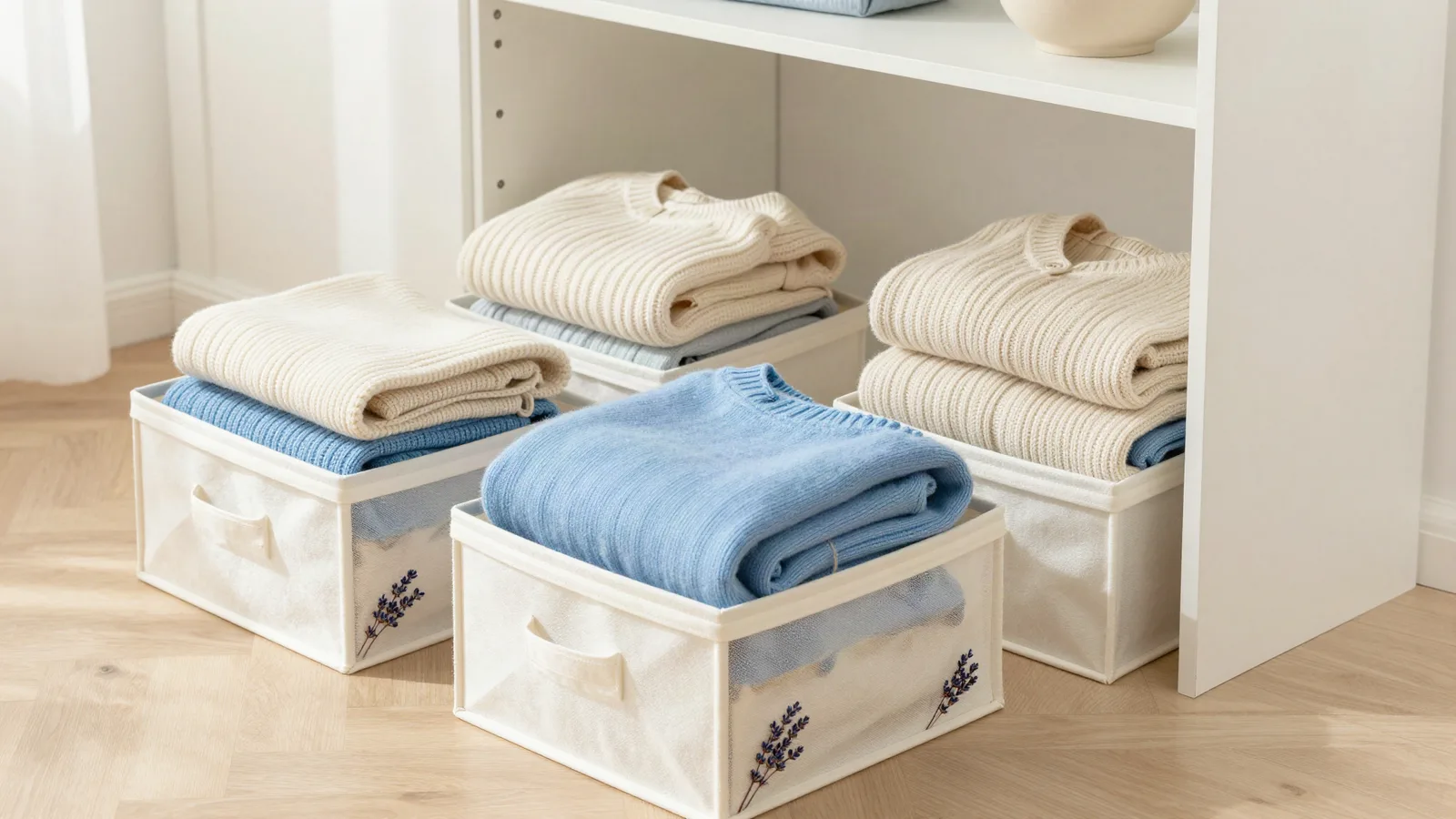
Switching wardrobes twice a year is a big job that takes most of us a whole weekend. Winter clothes go into vacuum bags; summer clothes come out into the wardrobe. But the most important step is often skipped: washing what you're about to store. Even a jumper that looks clean can yellow, attract moths or pick up a musty smell after months in a closed space. With the right preparation, you'll find your clothes as good as new next season.
A jumper worn once that looks clean still carries sweat, body oils, deodorant and food smells. Over months, these residues oxidise and show up as yellow marks. Those "new" stains on whites and light colours at the start of a season usually come from here.
Moths don't like clean wool; they like the sweat and food residue on it. A dirty wool jumper is a perfect food source for moths in a wardrobe. Storing it clean keeps the risk to a minimum.
Clothes stored not quite dry, or in a damp place, develop mould and musty smells. Once that smell sets in, it can take several washes to remove.
Look at each item before storing it. Set aside anything you didn't wear this season, anything that no longer fits, and anything worn out. Put donations, repairs and throwaways in separate bags. Fewer clothes means fewer washes and a tidier wardrobe.
Wash everything you're storing according to its label, including jackets, jumpers, scarves, hats and gloves. Send dry-clean-only items to the dry cleaner.
This is the most critical step. Putting a slightly damp garment in a vacuum bag is an invitation to damp and mould. Thick jumpers, jackets and blankets can feel dry outside while staying damp inside. A tumble dryer is the safest way to be sure thick winter textiles are completely dry. Dry wool jumpers flat and naturally.
Lavender sachets, cedar blocks or moth repellents protect the wardrobe. Moisture absorbers stop clothes picking up a musty smell, especially in homes that get damp in winter. Remember to open and air the wardrobe every few months.
However clean they were when stored, clothes that have been shut away for months may carry a faint wardrobe smell. Washing them once before the first wear, or at least airing them outdoors for a few hours, is a good habit.
The most tiring part of a seasonal switch is washing and drying dozens of items one by one in a home machine. At home this can take days; thick jackets, jumpers and blankets either don't fit or have to be washed separately.
In our large machines you can wash jackets, blankets and winter clothes in several machines at once and dry them completely in the dryer. What would take days at home is done in a few hours, and your clothes go home dry, folded and ready to store. Current prices are on the Prices page, and machine guidance is on the Services page.
Yes. Invisible sweat and oil residue turns into yellow marks over months and attracts moths.
They suit T-shirts and thin clothes; compressing filled items like jackets and duvets for months can reduce their loft.
Store woollens clean, in breathable bags, with natural repellents like lavender or cedar.
The machines are ready. So is the coffee.
Rehber · 3 min read
Can puffer jackets, down coats and winter jackets go in the washing machine? How to wash your jacket without losing its loft, from label to drying.

Rehber · 3 min read
How to machine wash sheer and heavy curtains, which cycle to choose, and how to dry them without needing an iron. The key tips for washing curtains.
Rehber · 3 min read
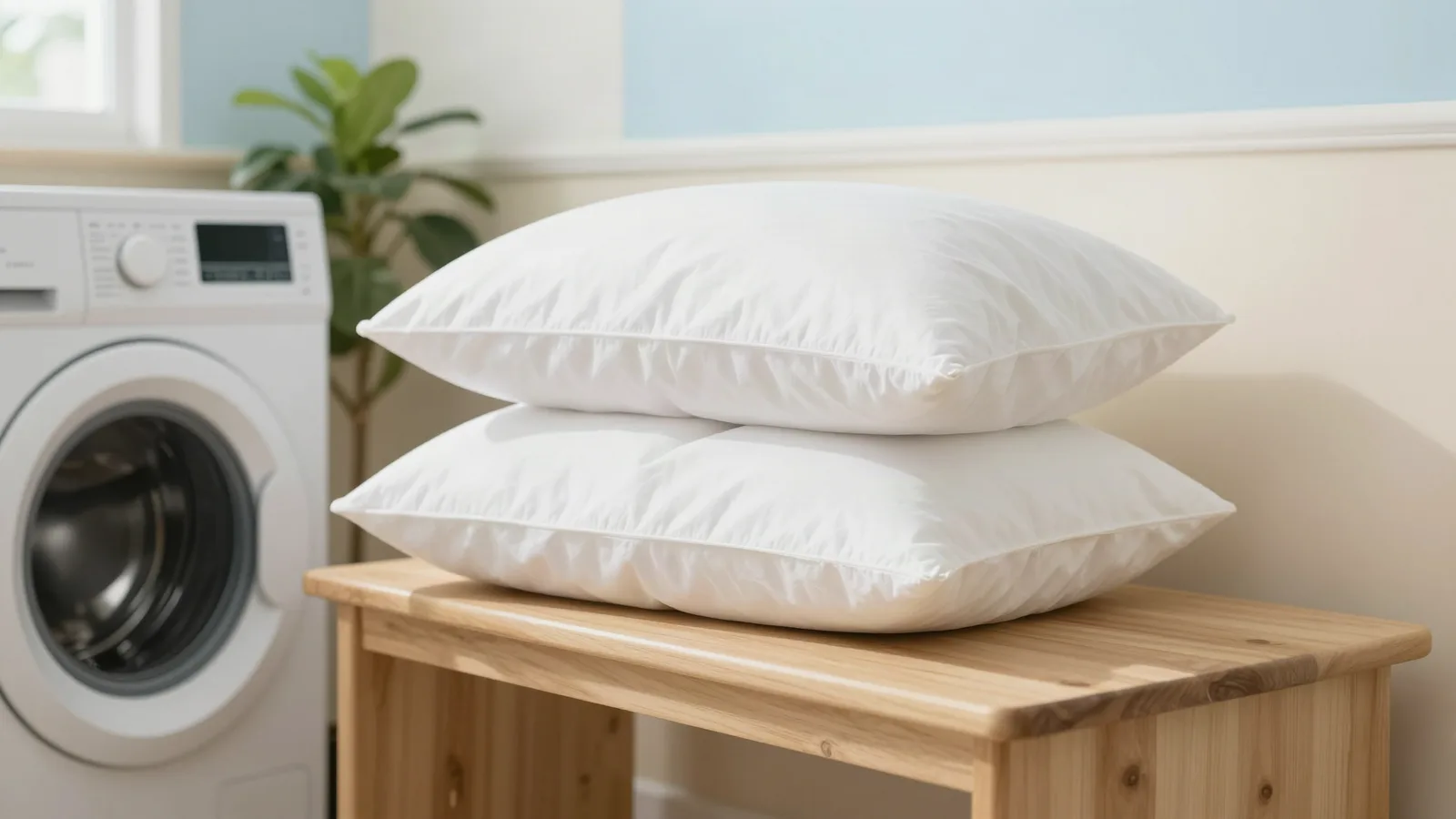
Why do pillows turn yellow, which pillows can be machine washed, and how do you dry them without lumps? A practical guide to fibre, down and foam pillows.